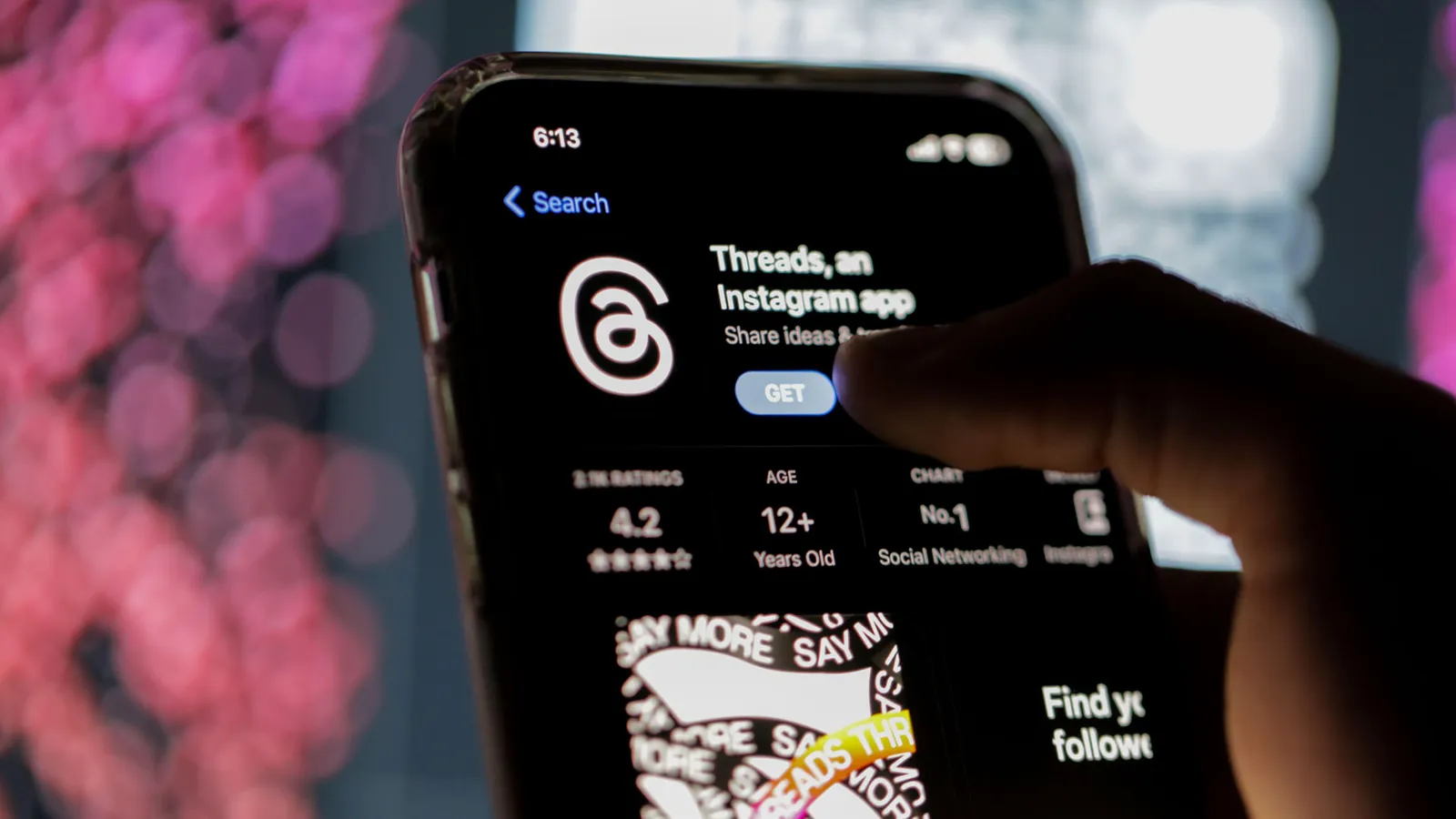
Another day, another social media platform to post on.
The launch of Threads on 6 July marked the latest major short-form text platform available to social media users, following Twitter, Mastodon and Bluesky – plus a raft of other, smaller competitors.
Like many of us, big companies are struggling to keep up with the number of social media platforms vying for their time and attention. They’re faced with the important choice of which apps to choose, in a market where social media can be an important brand-building tool and enable them to target consumers where they are most active.
For the past decade, It’s been all but required for serious brands to maintain a social media presence, says Nathan Allebach, creative director at Allebach Communications, which has partnered with brands including Utz Snacks and Steak-umm to build out their social media presences.
Bullying and polarisation
One of the first large brands to make the move was Lush Cosmetics, which in November 2021 decided to stop posting on social media platforms controlled by Meta, the parent company of Facebook, Instagram and WhatsApp.
The beauty company initially dropped off the platforms in 2019, due to concerns about fighting with ever-changing social media algorithms as well as the company’s worry about the potentially negative impact of social media on young people.

Lush Cosmetics is one of the brands that's chosen to drop off social media, and does not have plans to join new platforms such as Threads (Credit: Alamy)
But Baker says they withdrew when social media changed to being inherently less social and user-centric, mediated instead by algorithms controlled by companies. Although Lush re-emerged on the platforms during Covid-19 in order to reach customers during lockdowns, the beauty brand has now gone dark again. They’ve been off social media for almost two years – and don’t have current plans to come back.
Time, say social media experts, is a driver pushing away brands: it can be a tall task to ask often junior employees to keep tabs on so many platforms. It’s a situation that has become more pressing with the new boom in Twitter alternatives, where a clear winner hasn’t yet emerged.
But some brands have also been feeling a distinct sense of unease about social media in general. First, like Lush, some companies are unhappy about the way the platforms operate and their management.
But perhaps more pressing is the risk of followers turning on brands amid the volatility and toxicity of some social media user bases. As social media has polarised society in unexpected ways, brands have found many users quick to criticise an account they believe has mis-stepped.
Some brands have also been feeling a distinct sense of unease about social media in general
“The main utility of an organic social media presence for most brands is activating the 1% of their super fans and haters. Ultimately, every team has to assess the risk-reward ratio of how much to invest … the investment isn’t worth it to every brand, especially with how many platforms there are to consider and how precarious they can be,” says Allebach.
To join or not to join?
The launch of Threads has brought the stay-or-go conversation back to the forefront.
Along with audiences already on other emerging platforms, Meta’s purported Twitter killer already hasmore than 100 million users, less than a week after it began – in other words, a growing group of potential customers for brands.
Yet deciding whether to embrace the new apps is tricky.
For one, brands are still struggling with the issues of reputation and user abuse. And some brands may also have concerns with Threads specifically, as Meta has prior precedent of launching apps designed to compete with and supplant existing incumbents (Instagram Reels, for instance, was designed to tackle TikTok), which don’t always succeed. Companies could end up devoting significant resources to building a presence on a platform that disappears in a few months’ time.
Brands will make their social media decisions individually – but Allebach says many still ultimately feel pressure to hang a shingle on these new platforms.
“At this point, it’s hard to imagine a future where brands start pulling out of social media platforms en masse,” he says. Yet he adds it’s possible we’ll see more brands pulling back, especially if "they can’t quantify the value or start believing the risks outweigh the rewards”.